
Eli Lilly Expands Zepbound Options: A Step in the Right Direction, But More Work Needs to Be Done
Published February 26, 2025
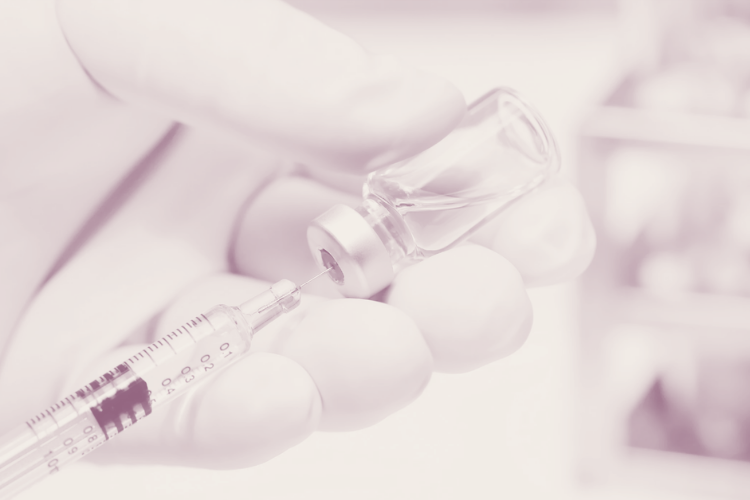
For many people struggling with obesity, GLP-1 receptor agonists like Zepbound (tirzepatide) and Wegovy (semaglutide) offer powerful tools for successful long-term weight management. However, the high cost of these medications has been a major barrier, particularly for those without insurance coverage. Much of the cost is due to the expensive, single-use auto injector packaging used for these injectable medications. Last year, Eli Lilly expanded access to Zepbound by launching the more affordable single-dose vial packaging for the lowest strengths of the medication. One-month supplies of the Zepbound 2.5 mg and 5 mg single-dose vials were offered at a 50% discount compared to the retail price of the equivalent doses in auto-injector form. Patients who did not have insurance coverage for Zepbound would then be able to access this medication through Lilly’s direct pharmacy at $399 to $549 per month. The brand vial options also offered a competitive alternative to the largely unregulated compound versions of tirzepatide. One limitation of this initiative is that patients requiring treatment at higher doses of Zepbound would have to purchase the more costly pen injectors (retailing at up to $1200 per month).
What’s New?
Lilly announced yesterday that it is going one step further by introducing new vial options of Zepbound at the 7.5 and 10 mg doses at $599 and $699 per month respectively. It is also lowering the prices of the 2.5 and 5 mg dose vials to $349 and $499 respectively. The expansion of this program will provide more access to patients struggling with obesity.
The Benefits: A Step Toward Affordability
For patients whose insurance does not cover GLP-1 medications, these new vial formats and discount programs offer a more affordable option. Any initiative that increases access to these life-changing medications is a positive development, especially given the growing recognition of obesity as a chronic disease requiring long-term management.
The Drawback: Still Too Expensive
Despite Lilly’s efforts, the reality remains that Zepbound and other GLP-1 medications are still prohibitively expensive for many. Even with discounts, $300 to $700 per month is out of reach for a large portion of patients who could benefit from the drug. Additionally, the long-term sustainability of these access programs is uncertain, as pharmaceutical companies often adjust or discontinue discount initiatives over time. Without broader systemic changes, including insurance coverage expansion and pharmaceutical pricing regulations, many patients may find themselves unable to afford the medication in the long run.
Looking Ahead: Hope on the Horizon
While affordability remains a major concern, there is cause for optimism. The increasing demand for GLP-1 receptor agonists is fueling competition with more pharmaceutical companies working on new drugs in this space. Research shows promising new incretin (GLP-1 agonist) medications on the horizon. As additional treatment options enter the market, prices may eventually decrease, making these medications more accessible to a broader population.
In the meantime, efforts like Lilly’s expanded Zepbound access program are a small but meaningful step in the right direction. Patients, healthcare providers, and advocacy groups must continue to push for greater affordability and systemic change to ensure that effective obesity treatments are within reach for all who need them.