

Muscle loss on a GLP-1 and how to keep the muscle you have
Muscle loss on a GLP-1 happens and it is largely preventable. Here's how to protect yours.

GLP-1 Side Effects: What to Expect and Who to Ask
A patient feels something strange and at 11 PM, types it into Reddit instead of messaging her doctor. Here's what to expect on a GLP-1 and who should answer.

What happens to my weight when I stop a GLP-1 agonist?
Many patients stop a GLP-1 agonist without a plan in place. This can occur for various reasons. Some people run out or lose access to the medication, others get priced out and some decide they are finished once they’ve hit a goal. Often no one has walked them through what happens after they stop, and that is where the weight can return.
If you have lost meaningful weight on semaglutide or tirzepatide (Wegovy or Zepbound), discontinuation is a fair thing to worry about. Here is what the data shows happens after you stop, why it happens and what you can do to protect your progress.

When Paying Out of Pocket for a Weight Loss Doctor is Worth it
Six situations where paying out of pocket for a weight loss doctor is the smarter choice. See if one of them sounds like you.

Why Is My Belly Fat Increasing After 45?
If your waistline seems to be expanding after 45, you're not imagining it. Learn why belly fat becomes more common with age, how insulin resistance plays a role and what it may mean for your long-term health.
Many people notice a frustrating pattern as they get older. The number on the scale may not change by much, yet their waistline continues to grow.
Clothes fit differently. Pants become tighter around the midsection. Weight that once settled in other areas of the body seems to concentrate around the abdomen.
If you've found yourself asking why belly fat is increasing after 45, the answer often involves changes in metabolism, body composition and insulin sensitivity.

Why Do I Keep Regaining Weight After Losing It?
If you keep losing weight only to regain it, you're not alone. Learn why weight regain happens, including insulin resistance, metabolic adaptation, sleep apnea, medications and other medical factors that may be making weight maintenance more difficult.

I Don't Recognize Myself Anymore: Why Weight Gain Feels Different in Midlife
For many women in their 40s and 50s, weight gain feels different than it did earlier in life. It can feel as though their body has changed without permission and the strategies that once worked no longer seem effective. Several biological changes occur during menopause that can influence how the body regulates hunger, stores fat and responds to diet and exercise. This article discusses the factors contributing to midlife weight gain, insulin resistance and increased abdominal weight and clarifies what options are available.

The Real Reason why Weight Watchers and other Weight Loss Programs Stop Working
She lost weight with Weight Watchers and did everything right, then the weight came back. This reflects a physician-led approach to understanding why structured diets stop working, looking beyond diet rules to sleep, stress, behavior and biology and building a personalized medical plan for long-term weight management.

Why GLP-1 Medications Alone Don’t Work — and What Real Care Looks Like
Some online platforms and clinics make it easy to get started on GLP-1 medications, but have limited involvement once the prescription is written. These clinics rarely assess nutrition, physical activity, sleep, mental health or manage complex conditions. In other words, they don’t treat the full picture of health that determines whether weight changes will last or improve a person’s life. If you are researching your options for weight care, consider this: the best outcomes come when care integrates medication with nutrition, metabolic monitoring and lifestyle support.

Eli Lilly Expands Zepbound Options: A Step in the Right Direction, But More Work Needs to Be Done
The increasing demand for GLP-1 receptor agonists is fueling competition with more pharmaceutical companies working on new drugs in this space. As additional treatment options enter the market, prices may eventually decrease, making these medications more accessible to a broader population. In the meantime, efforts like Lilly’s expanded Zepbound access program are a small but meaningful step in the right direction.
Does my Health Insurance Plan cover Weight Loss Medications?
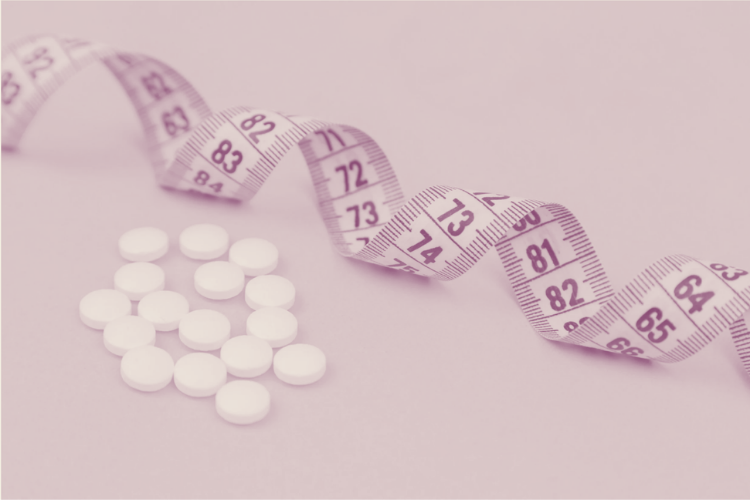
Insurance coverage is one of the biggest barriers to receiving obesity medication. Medicare does not cover anti-obesity medications at all, viewing them as cosmetic drugs. Most state-Medicaid plans do not cover them either. Private insurances vary in their rates of coverage, and most require a prior authorization before the drug is covered. It is helpful for patients seeking weight loss treatment to be aware of their coverage options, particularly when switching health plans.

Why Is It So Hard to Find a Primary Care Doctor?
The primary care system is broken. I often hear complaints of long wait times, rushed visits and doctors who seem to disappear every couple of years—it all feels like a system that’s working against you. Direct Primary Care offers an alternative: a membership-based model that cuts out the middleman—insurance companies—and focuses on the patient-doctor relationship.